

Ever thought about how to protect your family’s money and make sure your wishes are followed? Estate planning has two big tools: living wills and living trusts. They can give you peace of mind.
Going through estate planning can feel like a big challenge. Every family is different when it comes to keeping their money safe and making important legal plans. A good estate planning guide helps you see the big difference between living wills and living trusts.
Many people mix up living wills and living trusts. But they really do different things in legal and money planning. Knowing this can help your family make smart choices for the future and keep your loved ones safe.
Key Takeaways
- Living wills and living trusts are distinct legal tools for estate planning
- Each document serves a unique purpose in protecting family interests
- Proper estate planning requires understanding these legal instruments
- Consulting with a professional can help clarify complex legal options
- Early preparation is key for keeping your family’s money safe
Understanding Living Wills
Estate planning is about making sure your wishes are known. A living will is a key part of this. It lets you tell others what medical care you want when you can’t speak for yourself.
A living will is a special estate document. It tells doctors and nurses what medical treatment you prefer. Talking to a wills and trusts attorney can help make a living will that fits your wishes.
Key Components of a Living Will
Good living wills cover important medical situations:
- Life-sustaining treatment preferences
- Artificial nutrition and hydration choices
- Pain management instructions
- Organ donation wishes
The main goal of a living will is to make sure your medical wishes are followed. This is very important in emergencies or when you’re very sick.
Legal Significance
A well-made living will guides doctors and family. It helps avoid disagreements and makes tough decisions easier for loved ones.
Many people don’t think about living wills, but they’re very important. They let you control your medical care even when you can’t speak for yourself.
Understanding Living Trusts
Estate planning uses legal tools to protect your assets. It makes sure your family is financially safe. A living trust is a key tool for managing wealth and protecting it for the long term.
A living trust lets you transfer assets into a trust while you’re alive. It’s a flexible tool for estate planning. It lets you keep control of your assets and set rules for their future use.
Key Components of a Living Trust
Living trusts have three main roles:
- Grantor: The person who creates and funds the trust
- Trustee: The person who manages the trust’s assets
- Beneficiaries: The people who get the trust’s assets
With a living trust lawyer, you can make your trust fit your financial goals. Living trusts have many benefits over other estate planning methods.
Types of Assets in a Living Trust
Living trusts can hold many types of assets, such as:
- Real estate properties
- Investment accounts
- Personal bank accounts
- Business interests
- Valuable personal property
Living trusts offer flexibility and privacy that wills can’t match. They help transfer assets smoothly without public probate. This keeps family financial info private and avoids legal issues.
Main Differences Between Living Wills and Living Trusts
It’s key to know the differences between living wills and living trusts for good estate planning. Both are important, but they work in different ways to protect you and your money.
Choosing between living wills and living trusts needs careful thought. They deal with different parts of planning and managing your stuff.
Key Functional Distinctions
The main differences between living wills and living trusts are:
- Timing of Effect: Living wills kick in during medical emergencies. Living trusts start right when you make them.
- Scope of Protection: Trusts handle your money, while living wills deal with health choices.
- Legal Oversight: Trusts usually skip probate. Living wills might need court help.
People looking for full protection often talk to a probate lawyer. Trusts can manage your assets now and later, giving more flexibility than wills.
| Living Will | Living Trust |
|---|---|
| Healthcare decisions | Asset management |
| Activated during medical crisis | Operational immediately |
| Limited legal scope | Comprehensive asset protection |
Choosing the right document depends on your situation, goals, and laws. Getting help from a pro can guide you in planning your estate.
Importance of Estate Planning
Planning for the future is key to keeping your family safe financially. An estate planning guide is vital for protecting your assets. It makes sure your loved ones are taken care of when you’re not around. Every family, no matter how much money they have, needs a good estate plan.
An estate plan does more than just share out your stuff. It gives you peace of mind and clear instructions when things get tough. A family estate lawyer can help you through the legal stuff. They make a plan that fits just right for you.
Critical Reasons to Develop an Estate Plan
- Protect minor children’s financial future
- Minimize possible tax problems
- Stop family fights over money
- Make sure your health wishes are followed
- Keep control over who gets what
Estate planning isn’t just for the rich. It’s a smart way to manage money that brings peace and safety to your family. By planning ahead, you can make a plan that shows your values. It also keeps your loved ones safe.
Talking to a family estate lawyer is a good idea. They help you understand the law and make a plan that’s just right for you. They guide you through tough choices. They also make sure your documents are strong and legal.
When to Consider a Living Will
Life-threatening situations need careful planning. A living will is key for those facing serious health issues. It helps you plan ahead, giving peace of mind to you and your family.
When tough medical choices come up, a living will is vital. A will planning attorney can guide you on when it’s needed.
Identifying Key Life-Threatening Scenarios
Some situations make a living will very important:
- Terminal illness diagnosis
- Severe chronic medical conditions
- High-risk surgical procedures
- Advanced age with health risks
A living will lets you share your medical wishes when you can’t speak. It ensures your wishes are followed in critical moments.
| Scenario | Living Will Guidance |
|---|---|
| Persistent Vegetative State | Specify life-sustaining treatment preferences |
| End-Stage Terminal Illness | Define pain management and comfort care instructions |
| Irreversible Medical Condition | Outline medical intervention preferences |
Proactive planning with a will planning attorney can help you create a living will. It protects your medical choices.
Make a living will when you’re healthy. It lets you make smart choices for future health issues. This way, you avoid family fights during tough times.
When to Consider a Living Trust
Estate planning can be tricky. But a living trust helps manage your assets while you’re alive. It keeps your financial future safe and makes your family happy.
A living trust lawyer can tell you when to use a trust. There are important times when a trust is really helpful:
- Protecting assets for minor children
- Managing complex financial portfolios
- Maintaining privacy in asset distribution
- Avoiding possible probate problems
Strategic Asset Management Strategies
People with lots of assets or complicated finances get a lot from living trusts. Estate planning comparison shows trusts are more flexible than wills. You can set up how and when your assets are given out, like:
- Releasing inheritance in installments
- Setting age-based distribution triggers
- Creating provisions for special needs beneficiaries
- Protecting assets from creditors
Families with many properties, businesses, or complex finances do best with living trusts. A skilled living trust lawyer can make a trust that fits your specific needs and goals.
How to Create a Living Will
Creating a living will is key to protecting your healthcare wishes. It makes sure your voice is heard in medical emergencies. A will planning attorney can help a lot with this important step.
To draft a good living will, you need to think carefully and plan well. This guide will help you understand what to include in a legally binding document.
Detailed Steps for Drafting Your Living Will
- Assess Your Personal Healthcare Preferences
- Outline specific medical treatments you want or do not want
- Consider life-sustaining interventions
- Reflect on end-of-life care scenarios
- Consult Professional Guidance
- Schedule a meeting with a will planning attorney
- Discuss legal requirements in your state
- Review possible medical scenarios
- Document Preparation
- Use clear and specific language
- Include precise medical instructions
- Designate a healthcare proxy
- Legal Validation
- Ensure proper witness signatures
- Notarize the document
- Distribute copies to healthcare providers
When getting legal help, choose experts who know about living wills. Each state has its own rules for these important documents.
Pro Tip: Check and update your living will often. This makes sure it matches your current health wishes and life situation.
How to Create a Living Trust
Creating a living trust is key to good estate planning. A living trust lawyer helps you make a strong estate plan. This plan keeps your assets safe and makes sure your wishes are followed.
Setting up a living trust takes many steps. You need to think carefully and get help from a pro.
Essential Steps for Creating a Living Trust
- Inventory Your Assets
- Find out what personal and financial things you own
- Decide which ones to put in the trust
- Get papers for each one
- Choose a Trustee
- Pick someone you trust and who is good with money
- Think about using a professional trustee if you need to
- Know what the trustee has to do
- Draft the Trust Document
- Work with a lawyer who knows about living trusts
- Tell who gets what and how it’s given out
- Write down how the trust should be managed
- Execute and Fund the Trust
- Sign the trust document
- Move the assets to the trust
- Change who gets what in your accounts and life insurance
An experienced estate planning guide can help you through the trust setup. They make sure your money and wishes are safe and clear.
Common Misconceptions
Estate planning can be complex. Living wills often have myths around them. Knowing the truth helps people plan better.
Many people don’t get what living wills do. Let’s look at some common myths:
- Living wills are not only for elderly individuals
- They are different from Do Not Resuscitate (DNR) orders
- Living wills provide specific medical treatment guidance
Debunking Living Will Myths
One big myth is that living wills are only for older adults. But, anyone can use them. They’re part of a good estate plan.
| Myth | Reality |
|---|---|
| Living wills are only for terminally ill patients | Living wills provide medical guidance for unexpected situations |
| A living will replaces all medical decisions | It offers specific instructions for particular medical scenarios |
| Living wills are permanent and unchangeable | You can update documents as life circumstances change |
Knowing these facts helps people make better choices. It’s about understanding healthcare and estate planning.
Choosing Between a Living Will and a Living Trust
Planning your estate can be tough for many families. You need to think about your money and what you want. Choosing the right legal help is key to protect your stuff and make sure your wishes are followed.
Choosing between a living will and a living trust is important. You need to think about a few things. These things can really affect your money plans for the future.
Critical Decision Factors
- Estate Size: Smaller estates might benefit from a simple living will
- Asset Complexity: Larger or more complicated asset portfolios often require a living trust
- Privacy Concerns: Living trusts offer more confidentiality compared to traditional wills
- Financial Goals: Consider your specific objectives for asset distribution
Many people think combining both documents is the best choice. A living will talks about medical choices. A living trust handles your stuff and taxes.
Recommended Evaluation Strategy
- Assess your total asset value
- Review possible tax issues
- Think about your family’s needs
- Get advice from a good estate planning lawyer
Getting help from a lawyer can make things easier. They help you make the best choice for you. Remember, estate planning is not the same for everyone.
Working with Legal Professionals
Going through estate planning can be tough. A wills and trusts attorney is key to keeping your family safe. Knowing when to get legal help is very important.
It’s important to know when to talk to a probate lawyer. Not every situation needs a lawyer right away. But some do.
Critical Scenarios for Legal Consultation
- Complex family dynamics with multiple marriages or blended families
- Significant assets or high-net-worth estate planning
- Business ownership or complicated financial structures
- Special needs family members requiring long-term financial protection
- International asset holdings or cross-border estate considerations
Getting legal help is key for making good estate plans. A good lawyer can help avoid problems and make sure your wishes are clear.
| Estate Complexity | Recommended Legal Support |
|---|---|
| Simple Estate | Basic consultation |
| Moderate Complexity | Detailed legal review |
| High Complexity | Comprehensive legal strategy |
Trying to do estate planning yourself can be risky. Misunderstandings or incomplete documents could make your plan invalid. Getting a lawyer’s help is the best way to protect your assets and family.
Every family is different, needing special legal advice. A good wills and trusts attorney can give you advice that fits your needs. They help protect your legacy.
Costs Involved
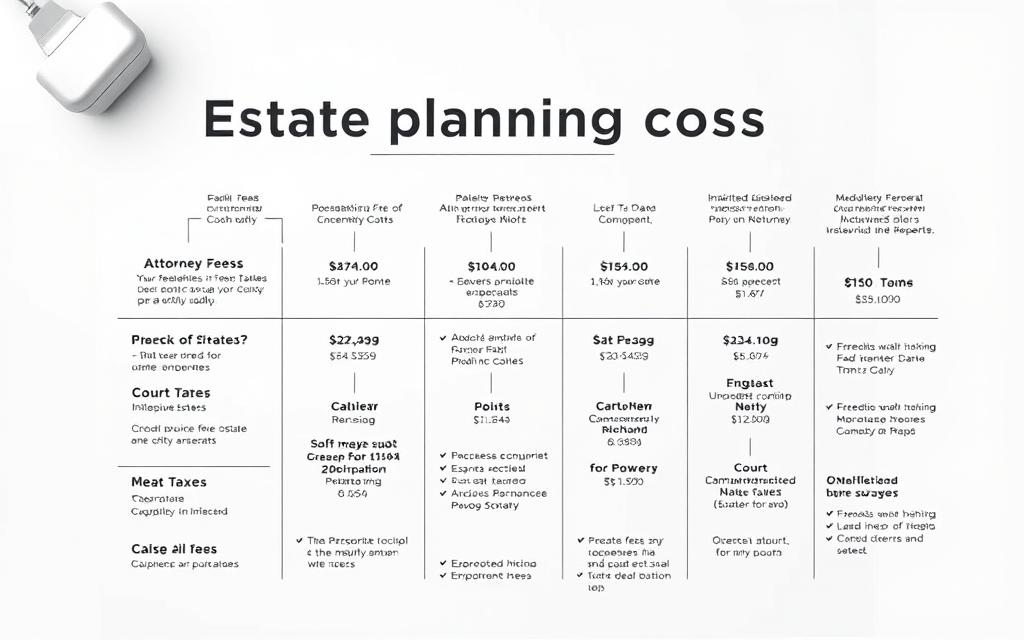
Understanding estate planning costs is key for families. Costs vary based on how complex it is and the help needed. A family estate lawyer might charge $300 to $1,000 for full services.
Looking at estate planning costs, there are ways to save:
- DIY online will templates: $20-$200
- Basic attorney consultations: $300-$500
- Comprehensive living trust preparation: $1,500-$5,000
Expense Factors to Consider
The cost depends on several things. Complex estate planning might need more legal work, raising costs. Prices are influenced by:
- Estate size and complexity
- Number of beneficiaries
- Types of assets involved
- Geographic location
Pro tip: Even though starting costs are high, getting professional help can save a lot. It avoids legal fights and makes sure assets go where they should.
Updating Your Documents
Estate planning is a process that needs regular care. Your estate documents guide should stress the need to keep legal papers up to date. A will planning attorney can guide you through these important updates.
Life changes can affect your estate planning. Some big moments mean you need to review your documents:
- Marriage or divorce
- Birth of a child or grandchild
- Big changes in money
- Getting new big assets
- Changes in health
Recommended Review Frequency
Experts say you should check your estate documents every 3-5 years. This helps make sure your wishes are up to date. Big life events might mean you need to update sooner.
Having a skilled will planning attorney helps a lot. They can spot any missing parts or old parts in your documents.
- Check who gets what
- Make sure the right person is in charge
- Look at how you want to share your stuff
- Make sure your health wishes are clear
Keeping your estate plan current protects your family’s future. It makes sure your last wishes are known and can be followed.
Family Communication
Talking about estate planning with family can be tough but very important. A family estate lawyer says it’s key to talk openly. This way, everyone gets what you want and the plan.
- Find the right time and place to talk
- Share your financial and health choices
- Listen to what others think and feel
- Tell why you made certain estate planning choices
Key Communication Approaches
Dealing with family issues needs understanding and clear words. Families with many members or different money situations do well with early talks.
| Communication Strategy | Potential Benefit |
|---|---|
| Scheduled Family Meeting | Offers a set time for talking |
| Written Documentation | Makes your wishes clear and avoids confusion |
| Professional Mediation | Guides through tough or emotional talks |
Clear talks now can stop legal fights and stress for your family later.
Implications for Executors and Family
Understanding estate planning is hard. It involves knowing what executors and trustees do. Families often don’t realize how big these jobs are.
Executors are key in carrying out a person’s last wishes. They do more than just paperwork. They handle important tasks like:
- Locating and validating the will
- Inventorying the deceased’s assets
- Paying outstanding debts and taxes
- Distributing remaining assets to beneficiaries
Critical Responsibilities of Trustees
Trustees have a different job than executors. Getting help from a probate lawyer is key to understanding this. They look after assets for the grantor’s lifetime and after they’re gone.
| Executor Responsibilities | Trustee Responsibilities |
|---|---|
| Probate court proceedings | Asset management without court intervention |
| Limited time-bound tasks | Ongoing asset protection and distribution |
| Public record processing | Private asset management |
Families face big emotional and legal challenges with these roles. Choosing the right executor or trustee can avoid fights and make estate handling easier.
Frequently Asked Questions
Understanding living wills and trusts can be tough. Getting help with legal documents is key. We’ve gathered common questions about living wills to help.
Top Questions About Living Wills Explained
- What exactly is a living will?
A living will is a legal document. It tells doctors what medical care you want if you can’t speak for yourself.
- How does a living will differ from a living trust?
A living will deals with medical choices. A living trust handles your money and property. Both are important for planning your estate.
- Can I change my living will?
Yes, you can update your living will anytime. It’s good to review it often to keep it current with your wishes.
Key Considerations for Legal Document Help
Looking into living wills and trusts? A lawyer can offer tailored advice. They can explain the differences and help choose what’s best for you.
Financial and Personal Planning Insights
- Many retirement accounts like IRAs and 401(k)s can be transferred outside probate
- Beneficiary designations can be made directly with financial institutions
- Estate planning documents should be reviewed every 3-5 years
Knowing about these documents helps you plan for your future. It lets you decide about your health care and money.
Conclusion and Key Takeaways
Estate planning is key to protecting your family’s money. It lets you plan how your assets will be used and your wishes followed. Knowing about living wills and living trusts helps families deal with legal issues.
Having a family estate lawyer is very helpful. They guide you through the legal steps. They make sure your plan is right, saves on taxes, and clearly shows how to share your assets.
Every family is different, so a single plan doesn’t fit all. You need a plan that fits your family’s needs and goals. Planning ahead shows you care about your family’s future.
Starting now can bring peace of mind for later. You can use living wills, trusts, or full estate plans to protect your family. Talk to estate planning experts to make a plan that’s just right for you.






Leave a Reply