

Ever thought about making a will without witnesses? About 70% of Americans don’t have a will. It’s key to know the legal rules for making a will to protect your stuff and wishes.
Rules for wills vary by state. Skipping witnesses might seem easy, but it could mess up your will. Only 28 states accept holographic wills, which are handwritten and signed by you. This can lead to big problems during probate.
This article dives into the world of making wills. We look at the dangers of making a will without witnesses. We also share tips on making a will that keeps your assets and loved ones safe.
Key Takeaways
- Most states require at least two witnesses for a valid will
- Holographic wills have limited legal recognition
- Witness requirements protect against possible estate disputes
- Online will creation services offer affordable alternatives
- Professional legal advice can avoid expensive errors
Understanding the Basics of Wills
Estate planning is key to protecting your family’s money. About 60% of Americans don’t have a will. Knowing about last will and testament laws is important for managing your assets well.
A will is a legal document that tells who gets your stuff after you’re gone. It helps avoid mistakes and makes sure your wishes are followed.
What Is a Will?
A will is a legal document that says who gets what and who takes care of kids. It acts as a roadmap for your estate’s management, helping your loved ones through tough legal times.
Importance of a Will
- Protects your family’s financial interests
- Prevents legal fights
- Makes sure your wishes are followed
- Helps avoid big tax bills
Types of Wills
- Simple Will: Basic document for asset sharing
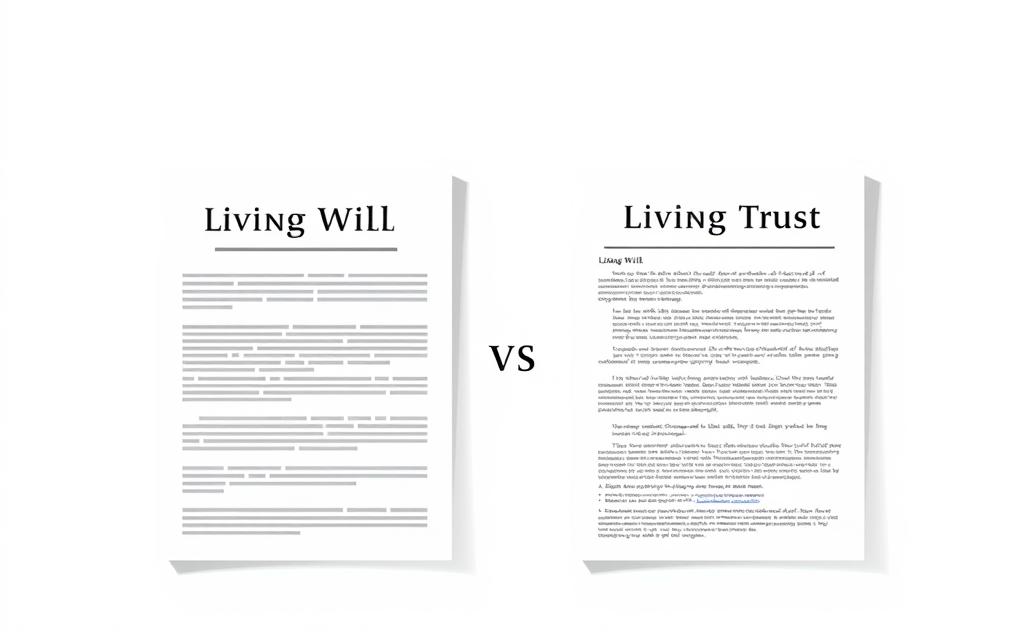
- Living Will: Covers medical treatment choices
- Joint Will: For married couples
- Testamentary Trust Will: Includes trust details
Knowing about legal will options and making a good estate plan can cut down family fights by up to 70%. Getting help from a pro makes sure your wishes are clear and follow the law.
Legal Requirements for Wills in the U.S.
Making a will that’s legally good means knowing a lot of rules. These rules help make sure your will is okay and your wishes are followed. Every state has its own rules for making a will.
Before you make your will, you need to know a few important things. These are the basics of making a will that works.
Common State Laws
When you make a will, you have to think about the laws in your state. Some main things you need to do include:
- Testator must be at least 18 years old
- Testator must be of sound mental capacity
- Will must be written document
- Clear understanding of asset distribution
Required Signatures
Signatures are very important to make a will legal. Most places say you need:
- Testator’s signature at the document’s end
- Signatures from credible witnesses
- Date of signing
Importance of Witnesses
Witnesses are key to making a will valid. About 38 states say you need at least two witnesses. Witnesses must typically be adults who are not beneficiaries named in the will.
Studies show that about 60% of wills made without help have mistakes. These mistakes could make the will not count. This shows how important it is to know the rules when making a will.
Writing a Will Without Witnesses
Planning your estate without witnesses is tricky. Knowing the laws about wills helps protect your wishes. It makes sure your estate goes to the right people.
Making a will that’s legally binding needs careful thought. Trying to make a will without witnesses is risky.
Can a Will Be Validated Without Witnesses?
It’s hard to make a will valid without witnesses. Most places need at least two witnesses. Without them, the court might question the will’s validity.
Risks of a Witness-Free Will
- Increased likelihood of legal challenges
- Potential invalidation during probate
- Delayed estate administration
- Higher legal costs for verification
Self-Proving Wills Explained
Notarized wills are a good choice instead of traditional ones. A self-proving will has an affidavit. This speeds up the probate process.
| Will Type | Witness Requirement | Legal Validity |
|---|---|---|
| Traditional Will | 2 witnesses required | High |
| Holographic Will | No witnesses | Limited |
| Self-Proving Will | Notarized witnesses | Strongest |
Even though laws vary, having witnesses is the safest way. It ensures your wishes are followed.
Consequences of an Invalid Will
Creating a will without proper legal documents can cause big problems. Estate inheritance papers need to follow certain rules. This makes sure your wishes are carried out.
When a will doesn’t follow the law, it can lead to big issues for your family. Problems with an unsigned will can turn a simple estate plan into a big legal fight.
Probate Process Complications
Invalid wills make probate very hard. The court might not accept your will. This can lead to long and costly legal battles.
- Increased court processing time
- Higher legal fees for family members
- Potential complete asset redistribution
Challenges from Heirs
Family members might fight an invalid will, leading to lawsuits. About 5% of wills are challenged in court. Reasons include:
- Lack of testamentary capacity
- Insufficient witness documentation
- Suspected undue influence
Impact on Your Estate Plan
Without a valid will, the state decides how to split your assets. This might ignore your wishes. Your loved ones could miss out on what you wanted to leave them.
| Scenario | Potential Outcome |
|---|---|
| Invalid Will | State-mandated asset distribution |
| No Valid Witnesses | Entire will potentially invalidated |
| Technical Errors | Legal contests and delayed inheritance |
Protecting your estate needs careful legal planning and knowing local laws. Talking to a lawyer can help avoid these problems. It ensures your wishes are followed.
Alternatives to Traditional Wills
Estate planning has many paths beyond the usual witnessed wills. Looking into other options can give you flexibility and special ways to protect your stuff. It also makes sure your wishes are followed after you’re gone.
There are many estate planning strategies that can really help protect your assets. Knowing about these options can help you choose the best way to leave your mark.
Holographic Wills: A Unique Option
Holographic wills are a special choice in estate planning. These handwritten wills are accepted in 28 states. New Jersey has its own rules for these wills.
- Must be entirely handwritten by the testator
- Requires the testator’s signature
- Not typed or written by another person
- Legal enforceability varies by state
Exploring Oral Wills
Oral wills, also called deathbed wills, are very debated. Most states don’t see these spoken wishes as legally binding. This makes them a big risk for passing on your stuff.
Trusts vs. Wills: A Comparative Approach
Trusts have big benefits over traditional wills, like keeping things private and avoiding probate. They are great for complex financial situations.
| Feature | Wills | Trusts |
|---|---|---|
| Probate Process | Required | Typically Avoided |
| Privacy Level | Public Record | Private Document |
| Flexibility | Limited | High Customization |
Choosing the right estate planning tool depends on your situation, how complex your assets are, and what you prefer. Talking to a lawyer can help you understand these options better.
The Role of Legal Counsel
Going through estate planning is tricky. Making a legal will is more than just writing down what you want. Getting help from a lawyer is key to avoid big mistakes and make sure your will is legal.

Knowing how to make a legal will means seeing the dangers of doing it yourself. Online templates might look easy, but they don’t cover all your personal needs.
Consulting an Attorney: Key Benefits
- Comprehensive understanding of state-specific legal requirements
- Identification of possible inheritance problems
- Personalized estate planning plans
- Protection against future legal fights
DIY vs. Professional Will Preparation
| DIY Will | Professional Will |
|---|---|
| Low initial cost | Comprehensive legal protection |
| Limited legal knowledge | Detailed legal check |
| Potential validation risks | High chance of legal validity |
How Legal Advice Protects Your Legacy
Lawyers give critical insights into tricky estate planning issues. They help you understand complex legal rules, like California’s rules for making and witnessing wills.
Attorney fees can go up to $1,000. But, it’s worth it to protect your family’s money and avoid costly legal battles.
Steps to Create a Valid Will
Making a legal will needs careful planning and detail. About 67% of Americans don’t have a will. It’s key to know how to make one to plan your estate well.
To make a good will, follow some important steps. These steps help protect your stuff and make sure your wishes are followed. Here’s how to make a valid will:
- Gather Essential Personal Information
- Full legal name
- Current residential address
- Social Security number
- Marital status
- List All Your Assets
- Real estate properties
- Financial accounts
- Personal possessions
- Investments
- Choose Important Roles
- Primary executor
- Alternate executor
- Guardian for minor children
- Beneficiary nominations
Choosing the Right Format
The right will format depends on your state’s laws. Executor rights in handwritten wills differ by state. Some states accept holographic wills, while others need more formal documents.
Notarized Will Requirements
Notarizing your will adds legal protection. It’s not always needed but can help avoid probate issues. Here’s what to know about notarization:
| Requirement | Details |
|---|---|
| Valid Government ID | Required for verification |
| Witness Presence | Typically 2 witnesses needed |
| Signature Verification | Notary confirms identity |
Creating your will needs careful writing. About 60% of estate disputes come from unclear language. So, make your will clear and precise.
The Importance of Witnesses
Making a will is very important. It’s about making sure your wishes are followed after you’re gone. Witnesses help make sure your will is legal and can’t be challenged.
Why Witnesses Matter Legally
Not having witnesses can be risky. Experts say witnesses are key to making a will valid. Most places have rules for who can be a witness:
- They must be at least 18 years old
- They can’t get anything from your will
- They must see you sign the will
The Role of Notarization
Notarizing your will adds more protection. In places like Texas, a notarized will can make things easier when it’s time to settle your estate.
| State | Witness Requirements | Notarization Impact |
|---|---|---|
| California | 2 witnesses over 18, disinterested parties | Reduces legal contest risks |
| New York | 2 witnesses, must sign within 30 days | Enhances will validity |
| Florida | 2 witnesses, must be legal adults | Prevents probate complications |
Recommendations for Choosing Witnesses
Here’s how to pick good witnesses:
- Look for people you trust
- Don’t pick family members who might get something
- Make sure they can testify if needed
- Make sure they know what they’re doing
By picking the right witnesses, you make your will safer from challenges. This helps protect your wishes for the future.
Special Considerations for Different States
Understanding state laws about wills is key. Each state has its own rules for making a will. This makes estate planning tricky.
Probate laws for wills differ a lot in the US. Even though some rules are the same, each state has its own twist. This can affect if a will is valid.
Unique State Regulatory Landscape
States have their own ways of handling wills. Texas has some interesting rules:
- People must be 18, married, or in the military to make a will.
- Two witnesses, who must be 14 or older, are needed.
- Beneficiaries can’t be witnesses.
State Law Variations
| State | Witness Requirements | Age Restrictions |
|---|---|---|
| Texas | Two witnesses required | 18+ or married/armed forces |
| California | Two witnesses needed | 18 years old |
| Florida | Two witnesses mandatory | 18 years old |
Critical Considerations
Knowing the specific rules of each state is very important. Holographic wills might be okay in some places but not others. Without help, making a bad will is easy.
Getting legal advice is very important for complex estate planning. Each state’s rules need careful study. You might need a lawyer to make sure your wishes are followed.
Will Contests and Legal Challenges
Understanding estate documents is key. Will contests show how important a will’s legal standing is.

Families often face legal fights over a loved one’s last wishes. Contesting a will means looking closely at the legal reasons.
Grounds for Contesting a Will
There are good reasons to challenge a will. These include:
- Lack of testamentary capacity
- Undue influence from others
- Fraud or coercion in making the will
- Wrong execution of the documents
How Witnesses Affect Contest Outcomes
Witnesses are very important. They help make the will stronger and less likely to be challenged.
In the U.S., only 0.5-3% of wills face challenges. About 34% of these challenges lead to changes in the will.
Preparing for Possible Challenges
To lower legal risks, do these things:
- Keep records of mental health
- Use clear, simple language
- Make sure witnesses sign correctly
- Update your documents after big life changes
Knowing these tips can help protect your wishes. It can also lower the chance of legal fights over your estate.
Common Myths About Wills
Estate planning can be tricky and often misunderstood. Many people think wrong things about making wills. It’s key to know the truth to avoid big mistakes.
Misconceptions About Witnesses
Many think witnesses are not needed for wills. But, most places say you must have witnesses to make a will valid. Holographic wills are different, but they have their own legal issues.
- Not all handwritten wills are legally binding
- Witnesses must meet specific legal requirements
- Some states have stricter witness regulations than others
The Reality of DIY Will Legal Processes
Some think making a will is easy and can be done alone. But, DIY wills are risky. About 70% of people die without a will, which can lead to legal problems.
| DIY Will Risks | Potential Consequences |
|---|---|
| Incomplete Documentation | Potential Estate Distribution Disputes |
| Lack of Legal Oversight | Increased Probate Challenges |
| Insufficient Witness Verification | Possible Will Invalidation |
Understanding Holographic Wills
Holographic wills are handwritten and signed by the maker. They are not always accepted. Only 21% of places fully accept them without extra checks.
Getting help from a lawyer is the best way to make a good will. It’s important to update your will often to make sure it reflects your wishes.
Estate Planning Resources
Estate planning can seem very hard. But, there are many resources to help. They teach you how to make a legal will and understand estate planning.

Essential Tools and Templates
Right tools make making a will easier. Online platforms have great templates for estate planning. They offer:
- Customizable will templates
- Step-by-step guidance
- Legal document preparation support
Legal Aid Options
Knowing the risks of will writing is important. Many groups help with estate planning for less money. Local legal aid societies offer cheap advice and help.
| Resource Type | Cost Range | Services Offered |
|---|---|---|
| Online Platforms | $20-$200 | Basic Will Templates |
| Legal Aid Societies | $0-$300 | Personalized Consultation |
| Professional Lawyers | $300-$1,000 | Comprehensive Estate Planning |
Educational Materials on Wills
Learning more is important for estate planning. Look into:
- Free online courses about estate planning
- Recommended books on will creation
- Webinars by legal professionals
Using these resources, you can plan your estate well. And protect your legacy.
Conclusion: The Importance of Compliance
Making a valid will is key in estate planning. It needs careful attention to legal rules. This step is not just a formality but a way to protect your wishes.
Legal rules for wills are complex. They need careful planning to avoid problems. This ensures your wishes are followed as you want.
Mistakes in estate planning can harm your family. Missing important steps, like witnesses, can make your will invalid. This leaves your assets at risk.
A well-made will with professional help lowers legal risks. It also makes things clear for your family.
Creating a will involves knowing local laws. Each state has its own rules for witnesses and signatures. Getting legal advice helps avoid mistakes.
The main goal of a will is to clearly state how to share your assets. By following legal rules and understanding will creation, you protect your legacy. This brings peace of mind to you and your family.



Leave a Reply