

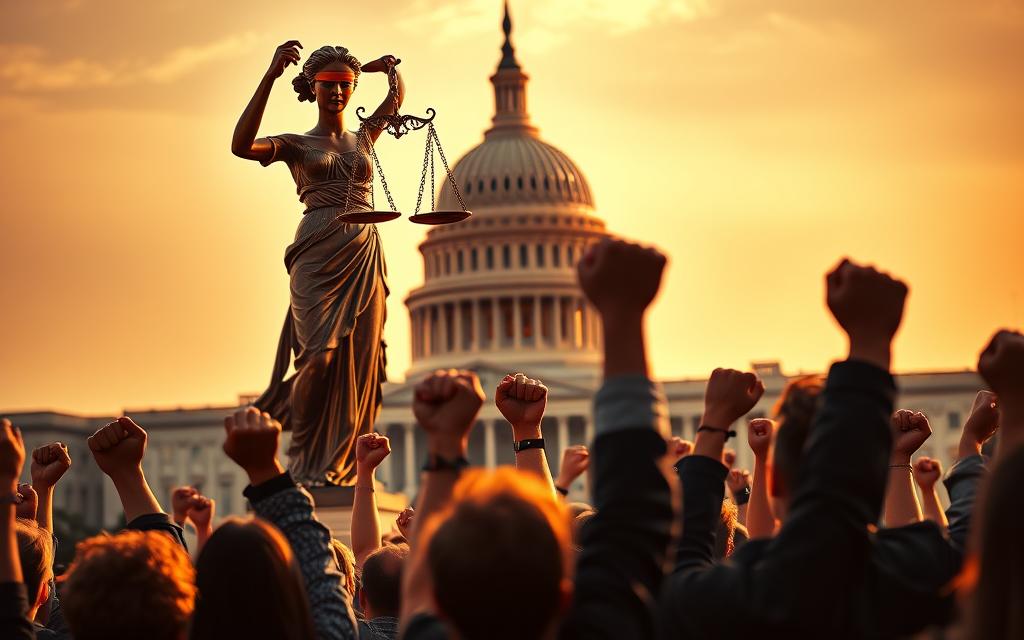
Ever thought about who protects your basic rights when they’re in danger? A First Amendment Rights Lawyer is key in defending your freedoms in the U.S.
The First Amendment guards our core democratic rights. These rights are what make our country free. Lawyers who focus on these rights help make sure we can speak, worship, gather, and ask the government for help without being stopped unfairly.
They fight for free speech and against censorship. A First Amendment Rights Lawyer is vital when our freedoms are at risk. They know the Constitution well and work hard to keep our rights safe.
Key Takeaways
- First Amendment Rights Lawyers protect fundamental constitutional freedoms
- Constitutional lawyers defend speech, religion, assembly, and petition rights
- Legal expertise is key in facing free speech challenges
- Our rights need active legal protection
- Knowing your rights is the first step to protecting them
Understanding First Amendment Rights
The First Amendment is key to American freedom. It protects basic rights that show who we are. Freedom of Expression Attorneys say these rights keep us free from government control.
The First Amendment gives us five main freedoms:
- Freedom of Religion: Protects our beliefs and practices
- Freedom of Speech: Lets us share our thoughts freely
- Freedom of Press: Helps media report without limits
- Right to Assembly: Allows for peaceful meetings and protests
- Right to Petition: Helps us challenge government actions
Constitutional Significance
These rights cover all levels of government. They make sure everyone’s voice is heard. If you think your rights are being ignored, a Freedom Of Expression Attorney can help.
Protecting Democratic Values
The First Amendment is strong because it defends all views. It lets us question the government and keep our democracy alive. A Civil Rights Law Guide can teach you how to use these rights.
Role of a First Amendment Rights Lawyer
A Free Speech Attorney is key in protecting our rights. They defend our freedom against the government. These lawyers make sure we can speak freely.
These lawyers work hard in many areas. They help people understand their rights. They also fight for what’s right in court.
- Providing legal guidance on complex constitutional issues
- Defending individuals facing possible rights violations
- Interpreting complex laws about free speech
- Challenging unfair limits on what we can say
Legal Expertise and Guidance
A good Free Speech Attorney knows a lot about the law. They look at each case carefully. They give advice to help people through tough times.
Representation in Court
When our rights are at risk, a Rights Protection Lawyer is very important. They make strong arguments. They fight for our freedom in court.
Advocacy for Free Speech
These lawyers do more than just help individuals. They fight for everyone’s right to speak freely. They take part in big cases, write important papers, and help set rules for the future.
Situations Requiring a First Amendment Rights Lawyer
Today’s world is complex, and protecting rights is hard. People often need a Protest Rights Lawyer or Civil Liberties Lawyer. This is when they face challenges to their freedom of speech and assembly.
The First Amendment gives us important protections. But, real-life situations can get very complicated. It’s key to know when to get legal help to protect your rights.
Cases of Censorship
Censorship happens in many places, like:
- Government stopping public speech
- Workplace rules on personal speech
- Removing content on social media
- Limiting speech in schools
Discrimination in Speech
Speech discrimination shows up in different ways, such as:
- Getting punished for political views
- Speech limits based on religion
- Trying to silence minority views
Public Demonstrations and Protests
A Civil Liberties Lawyer is vital for protest issues. Important legal points include:
| Protest Scenario | Legal Considerations |
|---|---|
| Peaceful Assembly | Permit needs, where you can gather |
| Counter-Protests | Keeping everyone safe, avoiding fights |
| Government Response | Keeping protesters safe from unfair actions |
Knowing your rights and when to get legal help is very important. It can really help protect your freedoms.
How to Choose the Right Lawyer
Finding the right lawyer for First Amendment Legal Help is very important. It helps protect your rights. You need to think carefully and choose wisely.
When looking for a lawyer, there are important things to consider. Knowing these can help a lot in your legal fight.
Experience in First Amendment Cases
A lawyer’s experience in constitutional law is key. Look for those with:
- A history of winning First Amendment cases
- Knowledge of constitutional rights
- Success in their past cases
- Education in civil rights law
Client Testimonials and Reviews
Checking a lawyer’s reputation is important. Here’s how to do it:
- Look up lawyers online
- Check recommendations from the state bar
- Read what past clients say
- Ask for references
Initial Consultation and Fees
| Consultation Type | Typical Cost | Duration |
|---|---|---|
| Free Initial Consultation | $0 | 30-60 minutes |
| Paid Detailed Review | $150-$500 | 1-2 hours |
| Contingency Fee | 25-40% of settlement | Varies by case |
Choosing the right lawyer for First Amendment Legal Help is all about research and understanding your needs.
Common Legal Issues Involving First Amendment Rights
The world of First Amendment rights is very complex. It needs careful handling by Constitutional Lawyers. Freedom of Expression Attorneys face tough legal cases that test what speech is protected.
Free speech laws are very detailed. They involve many areas where laws meet limits.
Hate Speech and Free Speech Boundaries
The First Amendment covers most speech, but not all. A Constitutional Lawyer must know the difference. They need to tell apart safe speech and harmful words.
- Verbal attacks based on race, gender, or religion
- Potential incitement to violence
- Context and intent of speech
Defamation and Legal Limits
Freedom of Expression Attorneys deal with cases that might harm someone’s reputation. Defamation laws are tricky. They balance protecting reputation with keeping free speech.
| Type of Defamation | Legal Considerations |
|---|---|
| Libel (Written) | Requires proof of false statement |
| Slander (Spoken) | Must demonstrate actual damage |
Symbolic Speech Protections
The First Amendment covers more than just words. Symbolic speech includes things like clothes, art, or peaceful protests. These non-verbal messages can share a message too.
- Peaceful protest signs
- Wearing political buttons
- Artistic performances
Handling these complex issues needs skilled Constitutional Lawyers. They must understand the fine details of free speech laws.
First Amendment Rights in Education
Student free speech rights are very important. They mix constitutional protections with school life. A Civil Rights Law Guide explains the legal rules for student speech in schools across the U.S.
Public K-12 schools have to balance student rights with keeping schools safe. Rights Protection Lawyers help figure out these tricky legal issues.
Student Free Speech Protections
Students have big constitutional rights in school, but they’re not unlimited. The Supreme Court has set important rules for student speech:
- Symbolic speech is mostly protected in schools
- Students can express politics and personal views
- Schools can’t stop speech unless it’s really needed
School Policies and Expression
Schools need to make rules that respect student rights and keep learning good. Important things to think about include:
- Keeping school activities from being disrupted
- Protecting students who might be hurt
- Keeping the school a respectful place
Legal Precedents Affecting Students
Important court cases like Tinker v. Des Moines have shaped student free speech rights. These decisions help schools, students, and lawyers know the law.
Knowing these legal protections helps students and teachers. It lets them express themselves while keeping learning high.
First Amendment Rights in the Workplace
Workplace free speech is a big challenge for everyone. A First Amendment Rights Lawyer helps a lot. They protect workers’ rights and keep things fair for employers too.
How much speech protection you get depends on your job and where you work. A Free Speech Attorney is key to understanding these rules.
Employee Speech Protection Fundamentals
- Public sector employees have more rights
- Private sector workers have fewer rights
- Speech about public issues gets more legal support
Social Media Policy Challenges
Today’s workplaces face big issues with social media rules. It’s hard to know when to share personal thoughts and when to keep quiet.
| Social Media Category | Legal Considerations | Potential Risks |
|---|---|---|
| Personal Posts | Limited Protection | Potential Employment Consequences |
| Work-Related Criticism | Qualified Protections | Potential Retaliation Claims |
| Whistleblower Disclosures | Strong Legal Safeguards | Federal Protection Mechanisms |
Whistleblower Protections
Workers who speak out about wrongdoings have strong legal help. A First Amendment Rights Lawyer can guide them. They know how to fight back against unfair treatment.
- Federal whistleblower laws offer strong protection
- Legal options include getting your job back and money
- There are safe ways to report big issues
Workplace free speech is a complex area. It needs special knowledge and careful help.
The Impact of Technology on Free Speech
Digital technologies have changed how we talk and share ideas. They bring new challenges and chances for lawyers who fight for free speech. Online spaces now shape how we communicate and stand up for our rights.

The digital world is a new legal area for First Amendment rights. Lawyers must understand complex tech systems that mix free speech rules.
Online Platforms and Censorship
Digital sites control what we see and hear, making us think about free speech. Big issues include:
- Algorithmic content filtering
- Platform-specific speech guidelines
- Inconsistent enforcement of community standards
Data Privacy vs. Free Expression
Protecting personal data and free speech is hard. Lawyers must find a balance between keeping info safe and letting people talk freely.
| Privacy Concern | Free Speech Implication |
|---|---|
| Personal Data Collection | Potential Chilling Effect on Expression |
| Algorithmic Tracking | Reduced Anonymity in Public Discourse |
| Data Sharing Practices | Risk of Targeted Suppression |
The Role of Social Media in Activism
Social media helps people come together and share news fast. Lawyers see these sites as key for today’s social movements.
- Amplifying marginalized voices
- Facilitating global solidarity
- Creating instantaneous communication networks
As tech keeps changing, lawyers must stay ready. They need to protect our rights in this new digital world.
Understanding Public vs. Private Spaces
Free speech rights can be tricky, mainly because of public vs. private spaces. A Constitutional Lawyer knows these fine lines well. They really matter for our right to speak out.
Free speech rules change a lot based on where you are. The First Amendment protects us a lot in public places. But private areas have their own rules.
Free Speech in Public Areas
Places like streets, parks, and government buildings have strong First Amendment rights. A Protest Rights Lawyer can explain these rights well:
- Peaceful assembly is protected by law
- You can share your thoughts freely
- But, some rules might be needed for safety
Limitations in Private Venues
Private places like stores and schools have more say over what you can say. They can make their own rules about speech. This might limit your First Amendment rights.
Legal Challenges and Precedents
Courts have looked at how free speech and property rights mix. Important cases have set key rules for where we can speak.
Getting to know these rules needs help from experts in constitutional law.
Recent High-Profile Cases
The world of First Amendment rights is always changing. This is thanks to big legal wins that help protect free speech. A First Amendment Rights Lawyer is key in these fights. They make sure our rights stay strong and growing.
Recent Supreme Court cases have changed how we see free speech. These decisions show the constant battle between saying what we think and rules that try to keep order.
Landmark Decisions Shaping Free Speech
- Social media censorship cases challenging platform content moderation
- Public school student speech rights in digital environments
- Protests and symbolic speech during national demonstrations
Impact on Future Legal Precedents
Every big case is like a Civil Rights Law Guide for the future. The Supreme Court’s careful decisions help us understand our rights. They are very important in today’s digital world.
Key Lessons for Citizens
- Understanding the dynamic nature of free speech protections
- Recognizing legal boundaries of expression
- Knowing when to seek professional legal counsel
These cases show how important it is to watch legal changes closely. They remind us to find a balance between our rights and the needs of everyone.
Federal vs. State Protections
The First Amendment rights are complex. There are big differences between federal and state laws. A Constitutional Lawyer knows that the First Amendment sets a basic right. But, states can add more protection for free speech.
Finding your way through these laws is hard. You need a Rights Protection Lawyer who knows the small differences in each place. Each state can see and use free speech laws in its own way. This makes the laws layered and complex.
Key Differences in State Protections
- Some states give more free speech protection than the federal laws do.
- Certain states protect certain kinds of speech more than others.
- State constitutions can give extra rights that go beyond federal laws.
State-Specific Legal Considerations
States handle free speech in different ways. For example, California and New York often see free speech as more important. A Constitutional Lawyer can explain these differences to you.
Implications for Individuals
Knowing about state protections is key for people wanting to use their First Amendment rights. Rights Protection Lawyers are very important. They help people understand and use their rights in different places.
It’s important to remember that your free speech rights can change based on where you are. So, always get legal advice if you think you might face a constitutional issue.
The Intersection of First Amendment Rights and Civil Rights
The First Amendment has helped change society, pushing for racial justice and civil rights. A guide on civil rights shows how free speech helps fight against unfair systems. It lets people speak out for their rights.
Lawyers for protests are key in keeping our freedom to speak. They help social movements fight against wrongs. Free speech and civil rights work together to change society.
Free Speech and Racial Justice
Free speech has made a big difference in fighting racial bias. Important times include:
- Civil Rights Movement of the 1960s
- Anti-segregation protests
- Peaceful demonstrations for equal rights
Historical Context of Protests
From the Civil Rights era to today, peaceful assembly and free expression are key. They help fight racism and bring about change.
Current Movements and Legal Challenges
Today’s social movements use First Amendment rights to bring attention to civil rights issues. A Protest Rights Lawyer helps people use their rights to fight for fairness.
The fight for racial justice shows how important First Amendment rights are. They help us move forward and stay true to democracy.
Navigating Legal Processes
Protecting your First Amendment rights is key. A good Free Speech Attorney can help you. They make sure your rights are safe. It’s important to know the legal steps to take when your rights are at risk.
Getting help for First Amendment rights involves a few steps:
- Documenting any violations
- Gathering all the evidence
- Talking to a First Amendment lawyer
- Preparing legal papers
Filing Complaints Effectively
When you file a complaint, being precise is important. A Free Speech Attorney will:
- Find the First Amendment violation
- Know where to file
- Write a strong legal story
- Meet important filing deadlines
Understanding Court Proceedings
Court cases for First Amendment rights can be complex. Your lawyer will:
- Make strong legal points
- Deal with legal challenges
- Show evidence of your rights
Strategies for Successful Outcomes
Winning your First Amendment case needs a good plan. Lawyers create plans for each case. They aim for the best outcome for you.
The Importance of Public Awareness
Knowing about First Amendment rights is key to keeping freedom safe. A Civil Liberties Lawyer helps teach people about their rights. This makes sure Americans know their rights well.
To teach people about freedom, we need smart plans. A Freedom Of Expression Attorney helps by using many ways to teach.
Educating Citizens on Their Rights
Teaching people about their rights is important. We use many ways to do this:
- Community workshops and seminars
- Online resources and interactive platforms
- Social media awareness campaigns
- School and university outreach programs
The Role of Nonprofits in Advocacy
Nonprofits help a lot in teaching about rights. They work with Civil Liberties Lawyers to:
- Make educational materials
- Give legal advice
- Support local efforts
- Challenge unfair laws
Encouraging Civic Engagement
Being active in the community is vital for rights. When people know their rights, they can:
| Civic Action | Impact |
|---|---|
| Join peaceful protests | Help others be heard |
| Take part in talks | Start important conversations |
| Support local groups | Make rights stronger together |
Knowledge is power. By learning and taking action, people protect their rights.
Finding Resources for Legal Help
Finding help for First Amendment rights can be hard. There are many ways to get help. Knowing where to look can help you stand up for your rights.
Protecting your rights needs a good plan and the right help. A lawyer who knows about rights can guide you. They work with groups that help defend the Constitution.
Key Organizations Specializing in First Amendment Rights
- American Civil Liberties Union (ACLU)
- Electronic Frontier Foundation
- National Coalition Against Censorship
- Reporters Committee for Freedom of the Press
Legal Aid and Pro Bono Services
Many groups offer free or low-cost legal help for First Amendment cases. This help is key for those who can’t pay for a lawyer.
| Organization | Focus Area | Service Type |
|---|---|---|
| Legal Aid Society | Civil Rights | Free Consultations |
| Public Counsel | First Amendment Defense | Pro Bono Representation |
| Center for Constitutional Rights | Civil Liberties | Sliding Scale Fees |
Networking with Advocacy Groups
Connecting with advocacy groups can give you more support. Collaborative networks share tips, host workshops, and offer community support. They help when you face First Amendment issues.
- Attend local civil rights workshops
- Join online forums and discussion groups
- Follow legal advocacy organizations on social media
- Participate in community legal education programs
Looking into these resources can really help you protect your First Amendment rights.
Conclusion
Protecting First Amendment rights is very important in the United States. A First Amendment Rights Lawyer helps keep these rights safe. They make sure everyone can enjoy their freedoms.
Knowing your rights is key for being a good citizen. Free speech and religious freedom need strong protection. A Freedom Of Religion Attorney can help when these rights are at risk.
Our legal system works best when citizens are involved. By learning about our rights and getting help when needed, we can keep the First Amendment strong. This helps future generations too.
We must all work together to protect First Amendment rights. Legal help, spreading the word, and getting involved are key. This keeps America’s democratic values alive.

Leave a Reply