


Personal injury lawsuit timeline explained: Learn how a typical case progresses from start to finish with easy-to-follow steps.
Personal Injury Lawsuit Timeline Explained
Ever wondered how long a personal injury lawsuit really takes? Or what exactly happens at each step? You’re not alone! Most people feel lost when facing the legal system after an injury. Whether it’s a car accident, slip-and-fall, or workplace injury, knowing the timeline can save you from stress and surprises.
In this guide, we’ll walk you through each phase of a personal injury case, step by step. No legal jargon. Just real, easy-to-understand answers.
🤕 What Is a Personal Injury Lawsuit?
A personal injury lawsuit is a legal claim filed when someone is injured due to another person or party’s negligence. The goal? Compensation for things like medical bills, lost wages, pain, and suffering.
You may be entitled to money if:
- You were physically or emotionally harmed 😟
- Someone else’s actions caused your injury
- You faced financial loss because of it
🧭 Why Knowing the Timeline Matters
Understanding the timeline helps you:
- Stay prepared at each stage
- Set realistic expectations
- Reduce anxiety over delays ⏳
- Make informed decisions about your case
It’s not just about filing a claim—it’s about knowing what happens next.
📋 Step 1: Seek Medical Treatment Immediately
Even if your injury seems minor, always seek medical care right away. This does two things:
- Protects your health
- Creates documented proof for your case ✅
Delaying treatment can hurt your body—and your lawsuit.
📞 Step 2: Contact a Personal Injury Lawyer
Before speaking to any insurance companies, talk to an experienced lawyer. They’ll:
- Evaluate your case for free
- Explain your legal rights
- Help you avoid costly mistakes
Tip: Most personal injury lawyers work on a contingency fee basis—you don’t pay unless you win.
📂 Step 3: Initial Investigation Begins
Once hired, your lawyer starts gathering facts. This includes:
- Accident reports
- Medical records 🏥
- Witness statements
- Photos/videos
They’ll use this info to build a strong case.
📅 Step 4: Filing the Personal Injury Complaint
Your attorney drafts and files a formal complaint—the first official document of your lawsuit. This notifies the at-fault party (defendant) of your legal action.
Here’s what it typically includes:
- Who’s involved
- What happened
- How much you’re claiming in damages 💰
Common Elements in a Personal Injury Complaint
| Element | Description |
|---|---|
| Parties Involved | Plaintiff (you) vs. Defendant |
| Incident Summary | Details of how the injury occurred |
| Legal Claims | Negligence, liability, etc. |
| Requested Damages | Medical costs, pain, lost wages, etc. |
⏳ Step 5: The Waiting Game – Defendant’s Response
The defendant has 20–30 days to respond. They can:
- Admit fault (rare)
- Deny all allegations
- File a counterclaim 😮
Your lawyer will prepare for all possibilities.
🧾 Step 6: Discovery Phase
This is where both sides exchange evidence. It’s like “legal fact-checking.”
Common discovery tools:
- Interrogatories (written questions)
- Depositions (sworn testimony)
- Document requests 📑
This stage can last several months.
Types of Discovery Tools Used
| Tool | Purpose |
| Interrogatories | Gather detailed info from the other party |
| Depositions | Record spoken testimony under oath |
| Subpoenas | Demand for records or appearance in court |
| Expert Reports | Professional opinions on medical/injury |
💬 Step 7: Pre-Trial Negotiations & Mediation
Many cases settle before court. Your lawyer may:
- Negotiate directly with the insurance company
- Enter mediation (a neutral third party helps resolve it)
If you reach a fair agreement—great! 🎉 You avoid trial altogether.
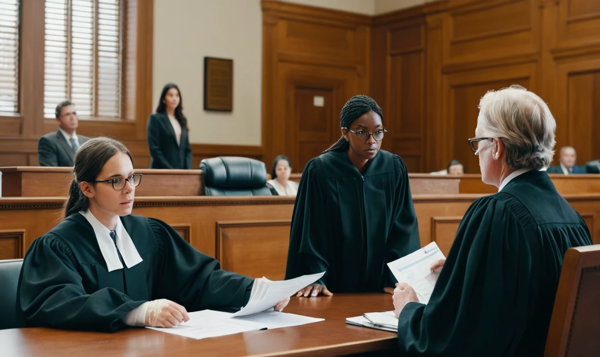
⚖️ Step 8: Going to Trial (If Necessary)
If no settlement is reached, your case heads to court. Trial involves:
- Opening statements
- Witness testimonies
- Cross-examinations
- Jury verdict or judge decision
This stage can take anywhere from a few days to several weeks.
Trial Stage Breakdown
| Trial Stage | What Happens |
| Opening Statements | Each side outlines their position |
| Witness Testimony | Injured party and experts testify |
| Cross-Examination | Opposing side questions your witnesses |
| Final Verdict | Judge or jury decides the outcome |
🧮 Step 9: Collecting Your Settlement or Award
Won your case or reached a settlement? Congrats! 🎊 Now comes payment.
How it works:
- Settlement checks often arrive in 4–6 weeks
- Your lawyer deducts fees and sends you the balance
- Some payments may be structured over time (annuity-style)
🧾 Step 10: Appeal (If Applicable)
If either party disagrees with the verdict, they may file an appeal. This could:
- Delay your payment
- Result in a new trial
- Overturn the decision (rare)
Your attorney will advise whether an appeal makes sense.
🧠 Key Takeaways
- Every personal injury case is unique, but the legal steps follow a typical path
- Most cases settle before trial
- Having a skilled attorney makes a huge difference
- Be patient—some steps take time, but each is critical
❓FAQs
How long does a personal injury lawsuit take to settle?
It usually takes anywhere from 3 months to 2 years, depending on case complexity.
What if the insurance company offers a low settlement?
You’re not required to accept. Your lawyer can renegotiate or take it to trial.
Can I file a lawsuit without a lawyer?
Technically yes, but it’s not recommended—legal help boosts your chance of winning.
Do all personal injury cases go to court?
Nope! In fact, about 95% of them settle out of court.
When should I file a personal injury claim?
As soon as possible! Most states have a statute of limitations of 1–3 years.
Sources
https://www.nolo.com/legal-encyclopedia/personal-injury-lawsuits-overview-32263.html
https://www.alllaw.com/articles/nolo/personal-injury/personal-injury-lawsuit-timeline.html
https://www.lawyers.com/legal-info/personal-injury/





Leave a Reply