


What is an execution copy mean in contract law? Learn its meaning, importance, and how it affects legal agreements in this simple, expert-backed guide.
What Is an Execution Copy Mean in Contract Law?
Ever wondered if the version of a contract you’re holding is the “real” one? 🤔
The final, signed version is called the execution copy. It’s important to know why it’s special.
Let’s explain it simply. This guide is for anyone curious about contracts. 📜✨
🤓 What Does “Execution Copy” Really Mean?
The execution copy is the final, signed contract version.
It has:
- All agreed-upon terms
- Everyone’s signature
- It’s legally binding
Contracts start as drafts. They’re edited and discussed until everyone signs. Then, it becomes the execution copy.
Think of it like this:
Drafts are like rehearsal scripts. The execution copy is the real show.
📌 Why Is the Execution Copy So Important?
This version is legally enforceable. It’s what courts and lawyers use when there’s a problem.
Here’s why it’s key:
- It proves agreement 🖊️
- It’s the final word—no more changes
- It’s legally binding
If there’s a dispute, this copy is what matters. No one cares about earlier drafts when the execution copy is signed.
📝 What’s Included in an Execution Copy?
Execution copies usually have:
- All agreed changes
- Finalized clauses
- Correct names and titles
- Signatures from every party
If one person hasn’t signed, it’s not the execution copy yet.
Here’s a simple breakdown:
| Section | Should Be Final in Execution Copy? |
|---|---|
| Contract terms | ✅ Yes |
| Appendices/Exhibits | ✅ Yes |
| Signature blocks | ✅ Yes |
| Optional clauses | ✅ Yes or clearly removed |
| Marked-up comments | ❌ No |
🧾 Draft vs. Execution Copy: What’s the Difference?
Drafts and execution copies are very different.
| Feature | Draft Copy | Execution Copy |
|---|---|---|
| Signed? | ❌ Usually not | ✅ Yes |
| Final version? | ❌ No | ✅ Yes |
| Enforceable in court? | ❌ No | ✅ Absolutely |
| Contains edits/comments? | ✅ Often | ❌ Never |
If your contract has highlights or empty signature lines, it’s a draft.
🖋️ Who Signs the Execution Copy?
Anyone who’s a party to the contract should sign the execution copy.
This can include:
- Individuals
- Businesses
- Representatives with signing authority
Everyone must sign the same version of the contract for it to be enforceable. Sometimes, people sign different copies and combine them. That’s called counterparts, and we’ll touch on that below 👇
🧠 What Does “Executed in Counterparts” Mean?
When people can’t sign the same physical copy, they might sign separate identical versions.
Here’s how it works:
- Each person signs their own identical copy
- All the copies together count as one contract
- This is common in remote or digital signings
Key takeaway:
Each version must be identical in content. Only the signatures are separate.
🔐 What Happens After It’s Executed?
Once signed:
- The execution copy gets stored
- Each party receives a copy
- The contract is considered live and binding
It might get:
- Scanned and emailed
- Uploaded to a contract management system
- Stored in physical files (yes, old-school is alive!)
📬 Is a Scanned Copy Really Valid?
Yes, it can be!
Modern courts accept scanned and electronic signatures under the E-SIGN Act in the U.S.
But always check:
- Jurisdiction laws
- Contract language
- Any requirements for notarization
Some agreements may need “wet ink” signatures ✍️ for legal or compliance reasons.
✅ Checklist Before You Call It an Execution Copy
Here’s a quick checklist to confirm you’re dealing with the execution copy:
- All terms are final
- No tracked changes or highlights
- Signature blocks are complete
- Dates are filled in
- All parties received a copy
Not sure? Ask a lawyer or legal team to confirm it.
🧾 Can You Have Multiple Execution Copies?
Yes. It’s common to sign:
- Two originals (one for each party)
- Or use counterparts, where each person keeps their signed copy
The key is: they all must be identical in content.
🖼️ Real-World Example: Freelance Agreement
Let’s say you’re a freelance designer. A company emails you a contract. You both make some edits, and then agree.
You print it, sign it, scan and send it back. The company signs and sends you the final version.
That last version? That’s the execution copy. 🎯
It’s what protects you legally if they ever refuse to pay.
⚖️ Does Every Contract Need an Execution Copy?
If it’s supposed to be legally binding—yes.
Handshake deals might be okay for small things. But for big business, jobs, or deals with money or risk, you need an execution copy.
That’s your receipt in the legal world.
🧠 Pro Tip: Always Keep Your Own Copy
Don’t count on someone else to keep it safe. Always:
- Save a PDF backup
- Email it to yourself
- Store it in the cloud (Google Drive, Dropbox, etc.)
If things go wrong, you’ll have what you need.
🤷♂️ What If You Signed the Wrong Version?
It happens.
Sometimes, people sign a draft by mistake. That’s not good.
The fix?
- Make sure everyone signs the same final version
- Re-sign the correct version if needed
- Include a correction letter or agreement if necessary
📚 What’s the Role of an Execution Page?
The execution page is the last page that shows:
- Names of parties
- Signature lines
- Date of signing
Sometimes it’s called the signature page. It makes a paper into a contract.
If you remove or forget the signature page, the contract might not be valid. 😬
🗂️ How Long Should You Keep the Execution Copy?
Forever—seriously. Or at least:
- 6 years for business contracts
- Indefinitely for real estate or long-term deals
Keep both digital and physical versions when you can.
Here’s a quick storage guide:
| Type of Contract | Minimum Storage Time |
|---|---|
| Employment Contracts | 6 Years |
| Real Estate Deals | Indefinitely |
| Freelance Agreements | 3–6 Years |
| NDAs & Confidentiality | 5 Years |
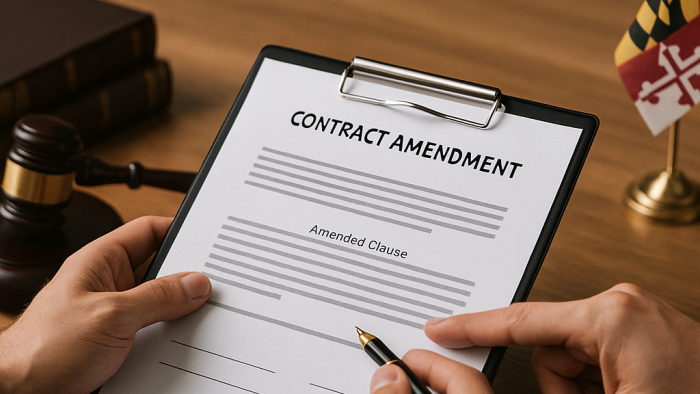
🔄 What If Changes Happen After Execution?
If you want to make changes later:
- You’ll need an amendment agreement
- All parties must sign it
- It becomes a new execution copy of the amendment
Don’t just edit the original and assume it’s valid. That can cause big legal headaches.
🧾 Summary: Key Takeaways
Let’s wrap it all up nice and neat 🎁:
- Execution copy = final, signed version of a contract
- It’s the only version that’s legally binding
- Always check for signatures, dates, and final terms
- Use counterparts when multiple people sign separately
- Store your copy securely—digitally and physically
Having a proper execution copy is one of the easiest ways to protect yourself in any legal or business deal. 💼✅
🙋♀️ FAQs
What is the meaning of execution copy in law?
It’s the last version of a contract signed by everyone. This version is legally binding and can be enforced in court.
Is a scanned execution copy legally valid?
Yes, mostly in the U.S. laws. But, check if original ink is needed for some documents.
Can an unsigned draft be enforced legally?
No. Only the signed version has legal power in most cases.
How do I know if it’s the final execution copy?
Look for complete signatures, final terms, and no changes. Everyone should have the same version.
Do both parties need to keep an execution copy?
Yes. Each party should keep a copy for legal protection and reference.




Leave a Reply