


Could your loved one be silently suffering in a nursing home? Every year, thousands of elderly people face abuse and neglect. This leaves families feeling lost and searching for justice.
Filing a nursing home abuse lawsuit is a big step for families. It helps protect seniors and holds bad facilities accountable. When care is not given, suing can help get money and stop more harm.
Understanding elder abuse legal help is key. You need to know your rights and how laws protect nursing home residents. This guide will help you spot, report, and fight nursing home abuse.
Key Takeaways
- Nursing home abuse can happen in many ways, like physical, emotional, and financial harm
- Going to court can get you money and stop abuse from happening again
- Having proof and evidence is very important for a strong case
- Families have many ways to report and solve nursing home abuse
- Getting help from a lawyer can make your case stronger
Understanding Nursing Home Abuse
Nursing home abuse is a big problem in the U.S. It hurts the elderly who are in care homes. Families trust these places to keep their loved ones safe. But, abuse happens. It’s important to know about abuse to stop it.
Definition of Nursing Home Abuse
Neglect in nursing homes means not getting the care needed. This can hurt the elderly. Physical abuse is when someone on purpose hurts an elderly person. These abuses hurt the elderly’s safety and dignity.
Common Types of Abuse
- Physical Abuse: Intentional physical harm including hitting, pushing, or inappropriate restraint
- Emotional Abuse: Verbal harassment, humiliation, or psychological manipulation
- Financial Exploitation: Unauthorized use of residents’ financial resources
- Sexual Abuse: Inappropriate sexual contact without consent
- Neglect: Failure to provide basic care and necessary medical attention
Warning Signs to Look For
| Abuse Type | Potential Warning Signs |
|---|---|
| Physical Abuse | Unexplained bruises, cuts, or injuries |
| Emotional Abuse | Sudden emotional withdrawal, depression, anxiety |
| Neglect | Bedsores, poor hygiene, significant weight loss |
| Financial Exploitation | Unexplained financial transactions, missing belongings |
Seeing these signs can help keep the elderly safe. Families should watch closely and talk often with their loved ones. If something seems off, they should look into it right away.
The Legal Framework Surrounding Nursing Home Abuse
Understanding nursing care laws is key to protecting the elderly. The elder justice system has many defenses against abuse in nursing homes.
The laws for nursing home residents are strong. They come from both federal and state rules. These rules help keep older adults safe and respected.
Federal Laws and Regulations
Important federal laws protect nursing home residents:
- Nursing Home Reform Act of 1987
- Elder Justice Act of 2010
- Older Americans Act
These laws set care standards, require assessments, and give rights to those in care facilities.
State-Specific Laws
States have their own rules to add to federal laws. These rules can differ a lot. This makes the elder justice system complex.
| State | Statute of Limitations | Unique Protections |
|---|---|---|
| California | 2 years | Enhanced resident rights |
| New York | 3 years | Strict reporting requirements |
| Florida | 2-4 years | Comprehensive abuse prevention |
Role of the Long-Term Care Ombudsman
The Long-Term Care Ombudsman is a big help. They look into complaints, protect rights, and solve problems in nursing homes.
Families can count on ombudsmen to:
- Look into abuse
- Help solve conflicts
- Give resources to residents
- Make sure laws are followed
The Importance of Documentation
When you’re fighting an elder injury lawsuit, having good documents is key. You need lots of evidence to make a strong case. Families must write down every detail to help their loved ones and show abuse or neglect.
Getting your documents right is important. You and your family must be careful and organized. This helps you gather important info for a legal fight.
Keeping Detailed Records
Here’s how to make a good record:
- Use a special notebook for tracking incidents
- Write down the date and time of everything
- Record talks with staff, medical care, and changes in behavior
- Take pictures of where they live and any injuries
Collecting Evidence of Abuse
Important evidence for your case includes:
- Medical records and treatment history
- Photos of injuries
- Records of money transactions
- Logs of talks with nursing home staff
Witness Statements and Testimonies
Getting statements from others helps your case. Talk to:
- Other residents
- Family members who visit
- Staff who weren’t involved in the problem
- Doctors who know the resident’s health
Remember: Accurate, detailed documentation can be the difference between justice and silence.
How to Report Nursing Home Abuse
Protecting seniors is very important. When abuse is suspected, we must act fast. Reporting abuse is a key step to keep seniors safe.
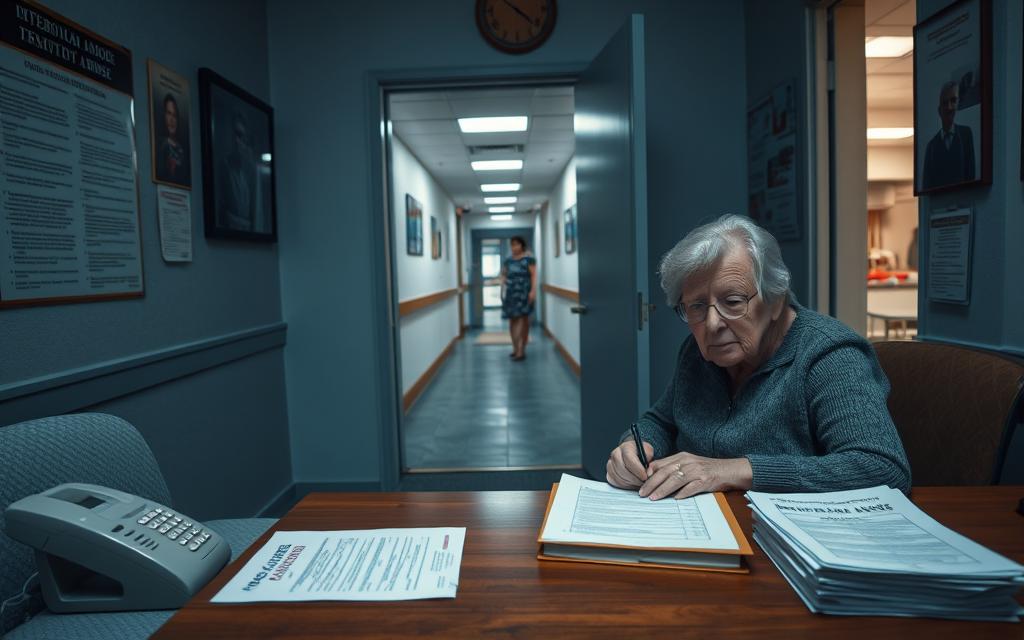
Victims and their families can report abuse in many ways. This helps stop harm before it gets worse.
Immediate Reporting Channels
- Contact local law enforcement immediately for urgent safety concerns
- Reach out to Adult Protective Services (APS) in your county
- Call the state’s nursing home abuse hotline
- Notify the facility administrator about observed incidents
Key Reporting Resources
| Resource | Contact Method | Response Time |
|---|---|---|
| Local Police Department | Emergency: 911 Non-Emergency: Local PD Number |
Immediate/Within Hours |
| State Adult Protective Services | Statewide Hotline | 24-48 Hours |
| State Health Department | Online Complaint Form | 3-5 Business Days |
Working with Advocacy Groups
Advocacy groups offer critical support when reporting abuse. They help with legal advice, resources, and emotional support.
Filing Formal Complaints
- Gather detailed documentation of suspected abuse
- Contact state licensing agencies
- Submit a written complaint with specific evidence
- Follow up to ensure investigation progress
Quick and thorough reporting can stop abuse. It helps keep seniors safe from harm.
The Role of Personal Injury Attorneys
Dealing with nursing home abuse is tough. A good lawyer can help a lot. They fight for seniors and make sure places are held accountable.
When to Hire an Attorney
Get a lawyer if you see signs of abuse or neglect. It’s time to get legal help when:
- Your loved one has unexplained injuries or changes.
- There’s proof of abuse, like physical or emotional harm.
- Their basic needs are not met.
- Staff won’t talk about your loved one’s care.
Questions to Ask Possible Lawyers
Choosing the right lawyer is important. Ask these questions:
- How many cases like yours have you won?
- What do you know about elder abuse cases?
- Do you offer a free first meeting?
- How do you usually handle these cases?
How Attorneys Can Help Build a Case
A skilled lawyer can help a lot. They:
- Look into the situation deeply.
- Get important medical records and evidence.
- Talk to people who might know something.
- Deal with insurance companies.
- Speak up for your family in court.
Having a lawyer means your loved one’s rights are looked after. It also helps get fair pay for what they went through.
Understanding the Nursing Home Abuse Lawsuit Process
Filing a nursing home abuse lawsuit is tough for families. They need to be ready and know how to protect their loved ones.
Before you start a lawsuit, knowing the steps is key. The nursing home legal guide helps with this complex process.
Initial Steps to Filing a Lawsuit
- Consult with a specialized elder abuse attorney
- Gather all medical records
- Find physical proof of abuse
- Talk to people who might have seen something
Litigation Process Overview
The lawsuit process has many steps. Each one needs careful planning and legal help.
| Stage | Description | Duration |
|---|---|---|
| Initial Consultation | Evaluate case merits with attorney | 1-2 weeks |
| Evidence Gathering | Collect medical records and witness statements | 2-3 months |
| Filing Complaint | Formal legal document submitted to court | 1 month |
| Discovery Phase | Exchange of information between parties | 3-6 months |
Potential Lawsuit Outcomes
There are different ways a nursing home lawsuit can end:
- Settlement: Money agreed on without going to court
- Jury Verdict: Money decided by a judge or jury
- Partial Recovery: Some money agreed on
- Case Dismissal: Lawsuit stops
Every nursing home abuse case is different. They need special legal plans to help those who can’t help themselves.
Compensation Available in Nursing Home Abuse Cases
Handling the money side of a nursing home injury claim is hard. It’s also very emotional for families seeking justice. Knowing how much money they might get is key for victims and their families.
Types of Damages in Nursing Home Abuse Claims
Families can get different kinds of money in a wrongful death lawsuit against a nursing home:
- Economic Damages
- Medical bills
- Future care costs
- Lost income
- Non-Economic Damages
- Pain and suffering
- Emotional harm
- Loss of life quality
- Punitive Damages
- Penalty for bad actions
- Stopping bad actions in the future
Factors Influencing Compensation Amount
Many things affect how much money a family might get in a nursing home abuse case:
| Factor | Impact on Compensation |
|---|---|
| Severity of Abuse | More serious abuse means bigger payouts |
| Documented Evidence | Good evidence makes a claim stronger |
| Nursing Home’s History | Bad history means more money might be owed |
| Long-Term Impact | Big injuries or lasting harm means more money |
Settlement vs. Trial: Making Informed Decisions
Families need to think hard about settling a nursing home injury claim or going to trial. Settlements are quick and sure, but trials might give more money. Trials take longer, though.
Maintaining Your Loved One’s Well-Being
After nursing home abuse, keeping your loved one safe is key. Recovery goes beyond legal steps. It needs full care and watching over their safety closely.

- Do a full medical check-up
- Look into other care places
- Make sure someone is always watching
- Keep track of all care needs
Ensuring Safety Post-Abuse
Getting to a safer place needs careful planning. Comprehensive assessments find weak spots and set up safety steps. Work with doctors to make a safety plan that meets their physical and emotional needs.
Resources for Emotional Support
Healing emotionally is very important for abuse survivors. They can get help from counselors, support groups, and therapists. These help them deal with their feelings and feel safe again.
Monitoring Care After a Lawsuit
Staying alert is important even after legal actions. Check the place often, visit without warning, and talk to caregivers. This helps stop more problems and keeps safety steps in place.
The Impact of Nursing Home Abuse on Families
When a family finds out a loved one was abused in a nursing home, it’s very hard. This abuse affects not just the victim but the whole family. It brings up big emotional, mental, and money problems.
Emotional and Psychological Trauma
Families feel many strong emotions when they learn about abuse. These feelings can be:
- Guilty for putting their loved one in care
- Angry at the nursing home staff
- Feeling betrayed
- Worried about the future
- Stressed and scared
Financial Implications
The cost of nursing home abuse can be very high. Families might have to pay for:
- Medical bills and therapy
- Lawyer fees to fight for justice
- Costs to move to a new place
- Therapy for everyone
Supporting Family Members
Getting better from nursing home abuse needs a lot of help. Professional counseling, support groups, and talking openly can help. Getting legal help early can also help with feelings and money problems.
Remember, families are not alone. There are many places that can help victims and their families. They can guide them through the hard times of healing and finding justice.
Seeking Justice: Personal Stories and Case Studies
The elder justice system shows stories of bravery and strength. Victims and their families have fought hard. They want to expose mistreatment and get justice through lawsuits.
Real-Life Cases of Nursing Home Abuse
In California, a family found out their elderly mother was neglected. They found many examples of bad care. This led to a big win in court.
The legal team found many problems. They got a lot of money for the family.
- Physical abuse was found in medical records
- Emotional harm was shown by psychologists
- Money problems were found in audits
Lessons Learned from Previous Lawsuits
These cases teach us important lessons:
- Keeping records is very important
- Experts can help prove abuse
- Never give up in court
Inspirational Stories of Advocacy
Survivors have turned their pain into change. Their bravery has brought justice and better rules for nursing homes.
Sharing these stories helps families know when abuse happens. It encourages them to act and fight for justice.
Preventive Measures to Avoid Abuse
Keeping seniors safe needs us to act early and stay alert. We must take legal steps to stop abuse in nursing homes. This helps keep our loved ones safe in care facilities.
Finding the right nursing home is a big job. We must do our homework well.
Selecting the Right Nursing Home
- Do deep background checks on the facility’s ratings
- Look at state inspection reports
- Check how many staff are there for how many residents
- See how clean the place is and how staff treats residents
- Find out if staff are well-trained and have the right skills
Family Engagement Strategies
Visiting often helps keep things right and stops abuse. Talking regularly with staff helps too.
| Engagement Strategy | Frequency | Impact |
|---|---|---|
| Unannounced Visits | Weekly | High Deterrence |
| Staff Communication | Bi-weekly | Moderate Prevention |
| Resident Interview | Monthly | Comprehensive Monitoring |
Advocating for Residents’ Rights
Knowing the law is key to keeping seniors safe. Families should learn about nursing home rules.
- Learn about the resident’s bill of rights
- Keep records of all talks and visits
- Tell someone right away if you see something odd
- Get a lawyer if you need to
Being proactive is the best way to stop abuse and make sure seniors get good care.
Legislative Changes and Trends in Nursing Home Care
Nursing care laws are changing a lot. This is because we want to protect older people better. The system to help them is getting stronger.
Current Issues in Elder Care Legislation
There are big problems in nursing home care. Some of these issues are:
- Not enough staff
- Not enough checks on care
- Not enough money for good care
- Not enough laws to protect residents
Recent Reforms Addressing Abuse
States and the federal government have made big changes. These changes help keep seniors safe. They make sure nursing homes are held accountable.
| Reform Area | Key Improvements |
|---|---|
| Reporting Requirements | Mandatory immediate reporting of abuse incidents |
| Background Checks | Enhanced screening for nursing home employees |
| Penalty Structures | Increased financial penalties for violations |
Future Directions for Nursing Home Regulations
The future of nursing care laws is looking good. New trends include:
- Better digital monitoring
- Stronger rights for residents
- More open care reports
- Using technology to check quality
People working in elder justice are always trying to get better. They want to make care safer and kinder for everyone.
Conclusion: Taking Action for Justice
Protecting seniors from abuse in nursing homes is very important. We need to be careful and brave. Legal help is key to keep seniors safe and respected.
Every family can help by knowing their legal rights. If something seems off, speak up. This can make a big difference.
Fighting nursing home abuse is tough, but you’re not alone. A lawyer can guide you through legal steps. They help you get justice and money for the harm done.
By keeping records and reporting abuse, you help others too. Your actions lead to better safety and rules in nursing homes. This helps everyone.
Being aware and acting fast is the best way to fight abuse. Trust your feelings, ask questions, and get help when needed. Your efforts can stop more harm and bring back dignity to those who were hurt.


Leave a Reply