


Planning for the future is an important step that many people delay because they believe estate planning is only necessary for wealthy individuals. In reality, estate planning is beneficial for adults of all ages and financial situations. Whether you own a home, have children, manage investments, or simply want your healthcare preferences respected, having a well-prepared estate plan can help protect your loved ones and reduce uncertainty.
Working with a New Jersey Estate Planning Attorney can help ensure that your wishes are documented correctly and that your estate plan complies with state laws. A comprehensive plan may include wills, trusts, powers of attorney, healthcare directives, and other legal documents designed to safeguard your interests during your lifetime and after your passing.
Understanding your legal options can make the planning process much less intimidating. For those seeking legal guidance, you may hire Law Offices of Wenarsky and Goldstein, LLC as your trusted estate planning lawyer in New Jersey. The firm is located at 410 NJ-10 Ste 214, Ledgewood, New Jersey, and can be reached at +1 973-306-4328.
What Is Estate Planning?
Estate planning is the process of preparing legal documents that explain how your assets and personal matters should be handled if you become incapacitated or after your death. Rather than focusing only on distributing property, estate planning also addresses healthcare decisions, financial management, and family responsibilities.
A well-designed estate plan can help:
- Protect family members financially.
- Minimize disagreements among heirs.
- Ensure your medical wishes are respected.
- Appoint trusted individuals to make decisions if you cannot.
- Simplify the administration of your estate.
Estate planning is often reviewed periodically to reflect life changes such as marriage, divorce, the birth of children, retirement, or acquiring significant assets.
Why Estate Planning Matters in New Jersey
New Jersey has its own laws governing estates, probate, guardianship, and powers of attorney. While some general estate planning principles apply nationwide, state-specific rules may affect how property is transferred and how legal documents are interpreted.
Creating an estate plan that complies with New Jersey law helps reduce the likelihood of disputes and ensures your documents remain legally effective.
Without an estate plan, state intestacy laws determine how assets are distributed, which may not reflect your personal wishes.
Essential Estate Planning Documents
Last Will and Testament
A will specifies who should receive your property after your death. It also allows you to nominate a guardian for minor children and appoint an executor, the person responsible for managing your estate.
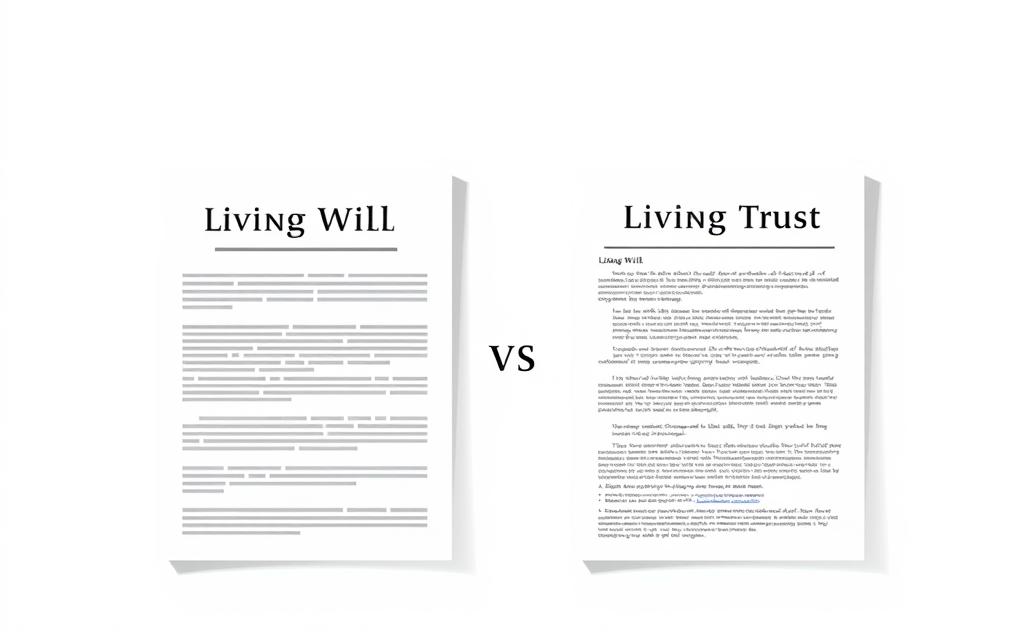
Although a will is a foundational document, it generally goes through probate, the legal process of administering a deceased person’s estate.
Revocable Living Trust
Many individuals choose to establish a revocable living trust as part of their estate plan. Unlike a will, certain assets placed into a trust may pass to beneficiaries without going through probate.
A trust also allows the person creating it to maintain control of their assets during their lifetime while providing instructions for future management.
Durable Power of Attorney
A durable power of attorney authorizes someone you trust to handle financial and legal matters if you become unable to manage them yourself.
This document may allow your chosen representative to:
- Pay bills
- Manage investments
- Handle banking transactions
- Sign legal documents when authorized
Advance Healthcare Directive
An advance healthcare directive outlines your medical treatment preferences and identifies someone who can make healthcare decisions if you are unable to communicate.
Having this document in place can reduce uncertainty for family members during difficult situations.
Who Should Consider Estate Planning?
Estate planning is valuable for nearly every adult, regardless of income or the size of their estate.
You may benefit from working with a New Jersey Estate Planning Attorney if you:
- Own a home or other real estate
- Have children or dependents
- Own a business
- Have retirement or investment accounts
- Want to leave charitable gifts
- Wish to avoid unnecessary legal complications for your family
Even young adults can benefit from having powers of attorney and healthcare directives prepared before unexpected medical emergencies occur.
Common Estate Planning Mistakes
Many people unintentionally create problems by postponing estate planning or failing to update existing documents.
Some common mistakes include:
Not Updating Documents
Major life events often require revisions to an estate plan. Marriage, divorce, births, deaths, and significant financial changes may all affect your wishes.
Forgetting Beneficiary Designations
Certain assets, such as retirement accounts and life insurance policies, transfer directly to the beneficiaries listed on those accounts. These designations should be reviewed regularly to ensure they remain current.
Choosing the Wrong Fiduciaries
Executors, trustees, and agents under powers of attorney have important responsibilities. Selecting trustworthy and capable individuals is an essential part of estate planning.
Assuming a Will Covers Everything
Many assets transfer outside of a will. Jointly owned property, beneficiary-designated accounts, and trust assets often follow separate legal rules.
The Benefits of Working with a New Jersey Estate Planning Attorney
Although online forms are widely available, estate planning involves important legal considerations that may vary based on your personal circumstances.
A New Jersey Estate Planning Attorney can help:
- Recommend documents appropriate for your goals.
- Ensure documents meet New Jersey legal requirements.
- Coordinate wills, trusts, and beneficiary designations.
- Address tax considerations where applicable.
- Help update your plan as life changes occur.
Professional legal guidance may also reduce the risk of errors that could lead to disputes or unintended outcomes.
Conclusion
Estate planning provides a practical way to prepare for the future while protecting your family, finances, and personal wishes. Through documents such as wills, trusts, powers of attorney, and healthcare directives, individuals can make informed decisions that reduce uncertainty and provide greater peace of mind.




Leave a Reply